To be clear, opening a door is something I usually do instinctively. I’ve opened enough doors in my time to be able to do it without thinking!
It was a large double glass door at the entrance to a cinema, with a small motion sensor standing guard over the door frame. I expected the doors to part automatically (they didn’t) so suddenly my flow state was broken and I had to concentrate.
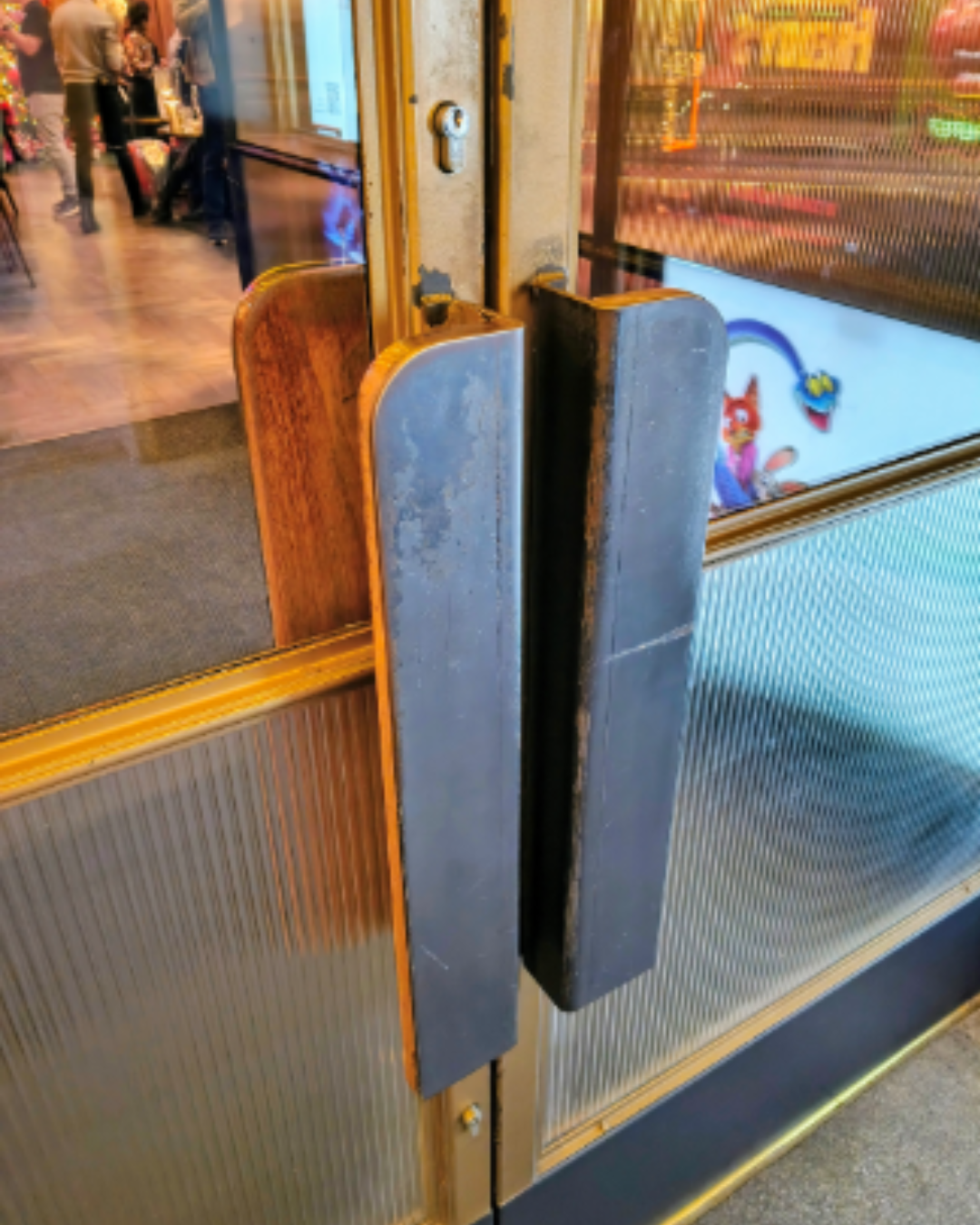 I put my hand on the large metal handle on the left-hand door and pulled. The door didn’t move.
There was a similar large metal handle on the inside, so I tried push. The door still didn't move.
I then did the same dance pulling, then pushing the right-hand door and, on the fifth attempt, finally pushed my way into the cinema lobby. The usher then hurriedly told me to close the door as “I was letting all the warm air out”…
This incident came to mind as I was listening to a recent presentation from a nurse highlighting the importance of ergonomics – understanding how humans interact with tools, systems and processes – in developing a culture of safety for patients. Her message was that good ergonomics means that things are less likely to go wrong, and when they do go wrong, they are less likely to get worse.
Her example was two medicine pumps with numerical keypads. They functioned in the same way but one was numbered like a phone (with “123” across the top row) and the other like a calculator (with “789” across the top row).
These machines were used a lot, so “muscle memory” meant it was too easy for someone used to one machine to accidentally administer the wrong dose when using the other machine. And in the pressure and heat of an emergency, it was even more important to type the right number, and even more likely that they would type the wrong one.
The same principle applies to my cinema door – it was functional, but not intuitive. There were multiple ways it could be used and my unfamiliarity with it meant I interrupted my flow state and tried every single one before I got to watch my film. My dance with the door handles was mildly embarrassing, but in an emergency (for instance escaping from a fire) it could have had severe consequences.
The moral of this story is not that the GCC is decreeing the types of door handle to install in your clinic!
But I hope the idea will stick with you next time you are reflecting on your practice or considering purchasing some new equipment – take a moment to consider your personal ergonomics. Does it “match” the systems you already use, your habits and unconscious flow? If an emergency were to occur, do your systems support your immediate reflex response? Or are there moments of “faff” or interruptions to your flow which could waste precious time or distract you from something more important?

